computertipsguru@gmail.com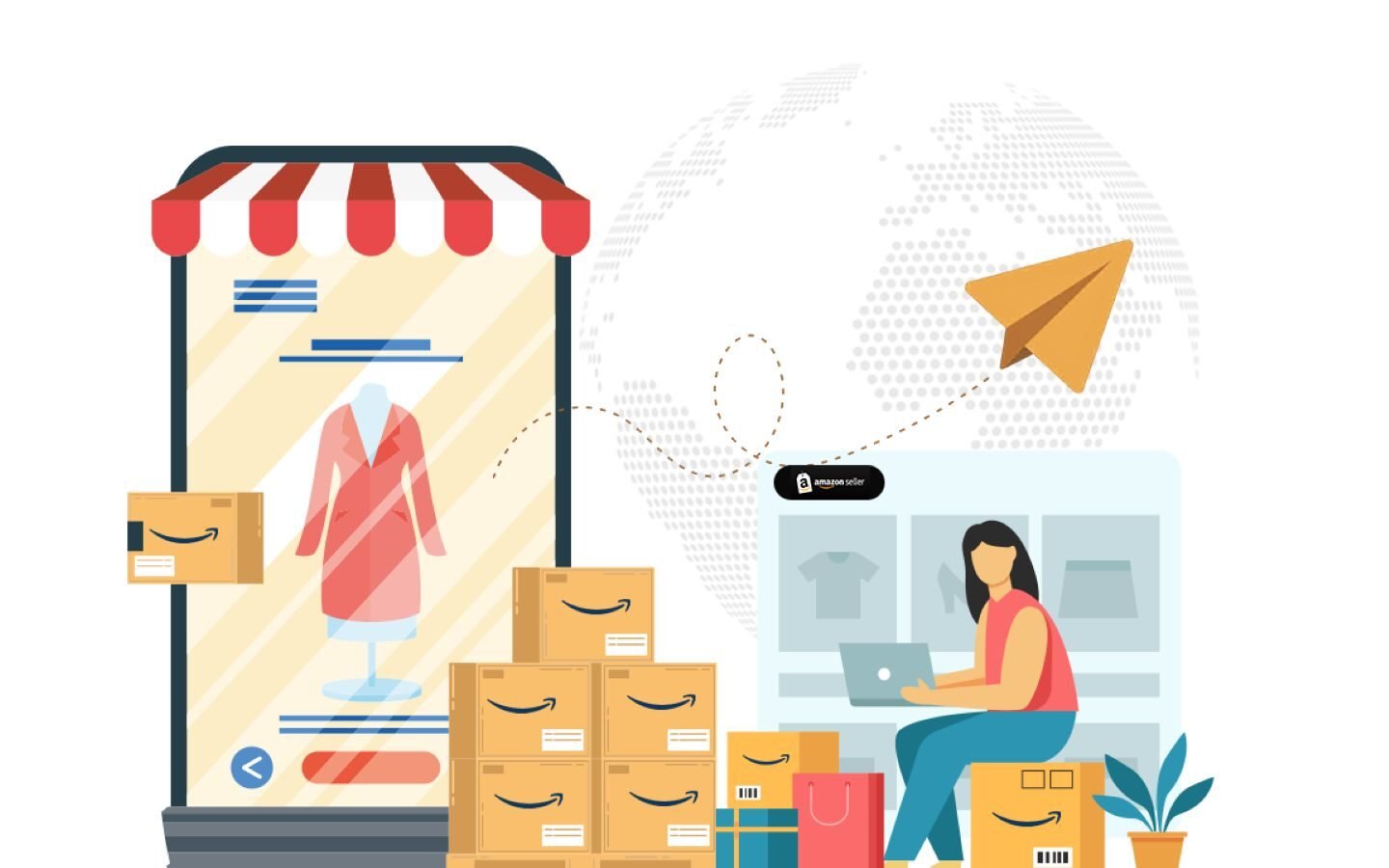
Every aspiring e-commerce seller asks the same question early on: what products to sell online. It’s tempting to just pick whatever’s trending on social media, but I’ve watched that approach fail more often than it succeeds. There’s a more reliable way to think about this.
What Makes a Product Worth Selling Online
Quick answer: The best products to sell online combine genuine demand, manageable competition, reasonable profit margins after shipping costs, and ideally, some differentiation from what’s already widely available.
Chasing whatever’s trending this week without checking these factors is how a lot of first-time sellers lose money quickly.
Related voice: E-Commerce Shipping and Logistics: A Beginner’s Guide · Profitable Home-Based Business Ideas for 2026 · Best Business Ideas With High Profit Margin and Low Investment
Researching Real Demand Before Committing
Use tools like Google Trends, Amazon best-seller lists, or even Instagram hashtag search volume to gauge actual interest before sourcing inventory. Picture a seller who assumed reusable water bottles would sell well simply because they personally liked the product — without checking, they entered an oversaturated market with brutal price competition.
- Check search volume trends over the past 6-12 months, not just current spikes
- Look at how many existing sellers are already in that specific niche
- Read customer reviews on similar existing products to find gaps or complaints
Calculating Real Profit Margins
Quick answer: When evaluating products to sell online, factor in product cost, packaging, shipping, payment processing fees, and returns — not just the difference between wholesale and retail price, which often looks more profitable than it actually is.
I’ve seen sellers get excited about a product with a seemingly huge markup, only to realize shipping costs alone were eating 40% of that margin.
Related voice: SEO vs Paid Ads: Which Digital Marketing Strategy Works Better? · Business Structures Explained: LLC vs Sole Proprietorship vs Partnership
Finding a Niche Instead of Competing Broadly
[link to related guide on best business ideas with low investment here]
Trying to sell “everything” or compete directly against Amazon on generic products rarely works for small sellers. A focused niche — specific hobby gear, particular skin types, a specific cultural craft — lets you build genuine expertise and loyal customers instead of competing purely on price.
Considering Shipping and Logistics Early
Some products look appealing on paper but are genuinely difficult to ship profitably — fragile items, oversized products, or things requiring special handling. Factor logistics realities into your product decision before committing, not after your first batch of damaged returns.
Validating Demand Before Bulk Ordering
- Run a small test batch or pre-order campaign before large inventory commitment
- Test with a simple landing page and paid traffic to gauge real interest
- Start with a small supplier order, not a massive bulk purchase, until demand is proven
Differentiating When Competition Is High
If you’re entering a competitive category, differentiation matters enormously — through better quality, unique branding, superior customer service, or bundling products in ways competitors haven’t. Selling an identical product at a similar price to established competitors rarely works for a new, unknown seller.
Frequently Asked Questions
How do I know if a product will sell well online? Research search volume trends, check existing competition levels, and ideally test demand with a small batch or pre-order before committing to bulk inventory.
What’s a good profit margin for products sold online? This varies by category, but many successful e-commerce sellers target at least 30-50% margin after accounting for all costs, including shipping and fees.
Should I sell trending products or focus on a specific niche? A focused niche generally builds more sustainable, loyal customer bases than chasing short-lived trends with heavy competition.
How much inventory should I order when starting out? Start with a small test batch to validate demand before committing to larger bulk orders, reducing financial risk if the product doesn’t sell as expected.
What products are difficult to sell online profitably? Fragile, oversized, or heavy items often carry high shipping costs and damage risk that eat significantly into profit margins.
Is it better to sell a unique product or a widely available one? Unique or differentiated products generally face less price competition and allow for stronger branding compared to widely available, commoditized items.
Conclusion
Choosing the right products to sell online comes down to genuine research, not gut instinct or chasing trends. Check real demand, calculate your actual margins honestly, and consider logistics before committing to inventory. If you’re still deciding what to sell, spend this week validating demand with a small test rather than jumping straight to a large order.
Suggested alt text: “Person researching product ideas on a laptop with sample items on a desk”